Menopause and Hormones
Hot Flashes and Night Sweats: The Complete Guide
Hot flashes and night sweats explained: why they happen, how long they last, what triggers them, heart-health links, and treatments rated by evidence.

Hot flashes and night sweats are vasomotor symptoms, the sudden episodes of heat, flushing and sweating that define the menopause transition for most women. A hot flash spreads heat through the chest, neck and face for one to five minutes; a night sweat is the same event during sleep, often waking the woman drenched. Vasomotor symptoms affect up to 80 percent of women during the transition, according to the Study of Women's Health Across the Nation (SWAN). They originate in the hypothalamus as estradiol declines, and blood sugar swings, alcohol and environmental factors such as mold intensify them. Root-cause perimenopause and menopause care combines hormone treatment with attention to these triggers.
Mechanism of Hot Flashes
Hot flashes start in the hypothalamus, the brain's temperature-control center, rather than in the skin. The mechanism unfolds in a sequence that researchers have mapped in detail:
- Estrogen withdrawal. Falling estradiol removes a brake on a group of hypothalamic cells called KNDy neurons, named for the kisspeptin, neurokinin B and dynorphin they release.
- KNDy neuron overactivity. In postmenopausal women these neurons enlarge and increase their output of neurokinin B, a change that estrogen replacement reverses.
- Neurokinin B signaling. Neurokinin B acts on NK3 receptors in the preoptic area, the region that triggers heat loss.
- A narrowed thermoneutral zone. The band of core temperature the body tolerates without reacting shrinks, so a tiny rise in temperature trips the heat-loss response.
- Heat dissipation. Blood vessels in the skin dilate, sweating begins and heart rate rises, which produces the flush. A chill often follows as the body overshoots.
This pathway explains the newest treatments. Fezolinetant blocks the NK3 receptor, and elinzanetant blocks both NK1 and NK3 receptors, which quiets the signal at its source without supplying hormones.
Patterns and Duration of Vasomotor Symptoms
Vasomotor symptoms last far longer than the year or two many women expect. SWAN tracked 1,449 women with frequent symptoms and recorded a median total duration of 7.4 years, with symptoms continuing a median of 4.5 years after the final menstrual period (Avis and colleagues, JAMA Internal Medicine, 2015). Patterns vary along five dimensions:
- Onset timing. Women whose hot flashes began in early perimenopause, while still having regular periods, experienced the longest duration in SWAN, often more than a decade.
- Frequency. Episodes range from a few per week to several per hour.
- Severity. Mild episodes pass unnoticed by others; severe episodes interrupt work and conversation.
- Night versus day. Night sweats concentrate in the second half of the night and fragment sleep.
- Ethnic variation. SWAN found longer durations among Black women and shorter durations among Japanese and Chinese women.
Duration matters for planning. Treatment decisions made for a single season frequently need revisiting over several years.
Contributing Factors and Triggers
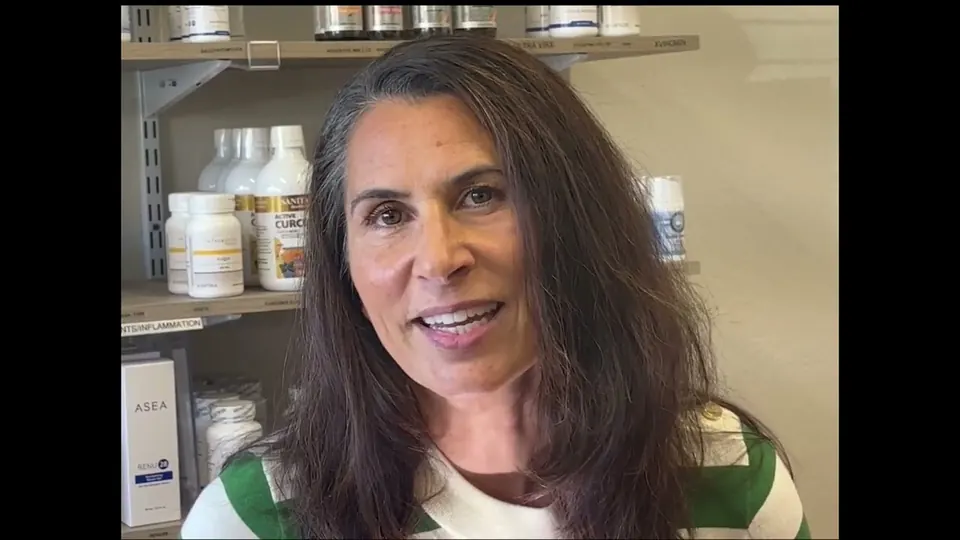
Contributing factors explain why two women with similar hormone levels experience very different hot flashes. Dr. Samia McCully names three contributors beyond hormones in a video published on the Wellness Architecture YouTube channel: mold exposure, blood sugar swings and an overactive stress response. Common contributors include:
- Blood sugar swings. A falling glucose level triggers adrenaline, which raises heart rate and heat. Wellness Architecture places a continuous glucose monitor on every patient, which shows whether night sweats line up with overnight dips.
- Alcohol. Alcohol dilates blood vessels and fragments sleep, and many women notice night sweats after evening drinks.
- Mold exposure. Wellness Architecture assesses mold as part of evaluating toxin load, one of the drivers it treats.
- Stress response. Fight-or-flight activation raises temperature and heart rate, amplifying episodes.
- Thyroid excess. An overactive thyroid causes heat intolerance and sweating that mimic hot flashes.
The table below separates common causes of night sweats.
| Cause of night sweats | Distinguishing signals | Markers or tests |
|---|---|---|
| Menopausal vasomotor symptoms | Flushing, irregular periods, age 40s to 50s | Symptom pattern; NICE diagnoses by symptoms over 45 |
| Overnight glucose dip | Waking shaky or hungry, racing heart | CGM trace; fasting insulin, A1C |
| Overactive thyroid | Weight loss, tremor, palpitations | TSH, free T4, free T3 |
| Medications | Onset after a new drug, often antidepressants | Medication review |
| Infection or other illness | Fever, weight loss, persistent fatigue | Medical evaluation, CBC, ESR |
Treatments for Hot Flashes and Night Sweats
Treatments for vasomotor symptoms range from hormone therapy to targeted non-hormonal drugs and behavioral therapies. The Menopause Society's 2023 nonhormone position statement rates the evidence for each option:
- Hormone therapy. Estradiol remains the most effective treatment for hot flashes, according to The Menopause Society's 2022 position statement, with the most favorable balance in women under 60 or within 10 years of menopause. Wellness Architecture prescribes bioidentical hormones when the evaluation supports them.
- NK receptor antagonists. Fezolinetant (Veozah) received FDA approval in 2023 and later a boxed warning for liver injury. Elinzanetant (Lynkuet) received FDA approval on October 24, 2025, taken as 120 mg at bedtime.
- SSRIs, SNRIs and gabapentin, rated at the highest evidence level in the 2023 statement.
- CBT and clinical hypnosis, also rated at the highest evidence level, which reduce how bothersome episodes feel.
- Weight loss and stellate ganglion block, rated at lower evidence levels.
The same statement rates several popular approaches as not recommended for hot flashes, including paced respiration, herbal supplements, soy, cooling techniques, trigger avoidance, exercise, yoga and acupuncture. These measures support comfort and general health, but trial evidence does not show them reducing hot flash frequency.
Health Signals of Vasomotor Symptoms
Vasomotor symptoms carry health signals beyond discomfort. SWAN followed 3,083 women and found that frequent hot flashes at baseline, on 6 or more days in 2 weeks, associated with a 51 percent higher risk of later cardiovascular events, a hazard ratio of 1.51 (Thurston and colleagues, Journal of the American Heart Association, 2021). The SWAN Heart substudy linked hot flashes to poorer blood vessel function and greater aortic calcification, independent of standard risk factors. Other signals include:
- Sleep disruption, the most common consequence of night sweats
- Mood effects, with frequent symptoms associated with anxiety and low mood
- Work impairment, from daytime episodes and lost sleep
- Bone, since the estrogen decline behind hot flashes also drives bone loss
These associations do not prove that hot flashes cause heart disease, but they mark women who benefit from closer attention to blood pressure, lipids and glucose.
Hot Flashes Last Longer Than Most Women Expect
Hot flashes last a median of 7.4 years in total, according to SWAN, and continue a median of 4.5 years after the final period. Women whose symptoms begin early in perimenopause experience the longest course. The common belief that hot flashes fade within a year or two leads many women to endure symptoms rather than seek treatment, only to find themselves still flushing five years later. Duration therefore shapes the choice between short-term coping and a planned treatment strategy.
Hot Flashes Start in the Brain's Temperature Center
Hot flashes originate in the hypothalamus, where falling estradiol unleashes neurokinin B signaling from KNDy neurons and narrows the thermoneutral zone. A small rise in core temperature then triggers a full heat-loss response. This brain-based origin explains why treatments that act on the hypothalamus, estradiol and NK receptor antagonists, work so directly, and why cooling the skin brings comfort without stopping the episodes.
Frequent Hot Flashes Signal Higher Cardiovascular Risk
Frequent vasomotor symptoms associate with higher cardiovascular risk. SWAN's 2021 analysis found a hazard ratio of 1.51 for cardiovascular events among women with frequent hot flashes at baseline, and persistent frequent symptoms over follow-up tracked with higher risk as well. The finding is observational. It positions hot flashes as a reason to check heart-related markers, including a lipid panel, fasting insulin, A1C and hs-CRP, all part of Wellness Architecture's 20-marker panel.
Hormone Therapy Is the Most Effective Treatment for Hot Flashes
Estradiol-based hormone therapy reduces hot flash frequency and severity more than any other treatment, according to The Menopause Society's 2022 position statement. Its benefit-risk balance is most favorable in women under 60 or within 10 years of the final period. Women with a uterus add progesterone to protect the uterine lining. For women with contraindications to hormones or a preference to avoid them, NK receptor antagonists, SSRIs, SNRIs, gabapentin, CBT and clinical hypnosis provide evidence-based alternatives.
Blood Sugar, Alcohol and Mold Trigger Flashes in Some Women
Individual triggers intensify hot flashes on top of the hormonal mechanism. Glucose dips release adrenaline, alcohol dilates blood vessels, and mold exposure disturbs temperature regulation in some women, according to Dr. McCully's clinical observations. Dr. McCully also describes a personal observation from her own perimenopause: breathing through her nose at night reduced her night sweats almost immediately, and one patient reported the same. The Menopause Society rates paced respiration as not recommended for hot flashes based on trial evidence, so nose breathing remains a practitioner observation rather than an established treatment.
Frequently Asked Questions
What causes hot flashes?
Hot flashes start when falling estradiol activates KNDy neurons in the hypothalamus, which release neurokinin B and narrow the body's tolerated temperature range. A small rise in core temperature then triggers flushing and sweating. Blood sugar dips, alcohol and stress intensify episodes.
How long do hot flashes last?
Hot flashes last a median of 7.4 years in total and continue a median of 4.5 years after the final period, according to SWAN. Women whose symptoms start early in perimenopause, while periods remain regular, experience the longest duration, often more than a decade.
What stops hot flashes without hormones?
Non-hormonal treatments with the strongest evidence include fezolinetant, elinzanetant, SSRIs, SNRIs, gabapentin, cognitive behavioral therapy and clinical hypnosis, according to The Menopause Society's 2023 position statement. Supplements, soy, cooling techniques and trigger avoidance did not meet its evidence threshold.
What causes night sweats besides menopause?
Night sweats also come from overnight blood sugar dips, an overactive thyroid, medications such as antidepressants, alcohol, and infections or other illnesses. Sweats with fever, weight loss or persistent fatigue need prompt medical evaluation. A CGM, thyroid panel and medication review separate the common causes.
Do hot flashes affect heart health?
Frequent hot flashes associate with higher cardiovascular risk. SWAN found a 1.51 hazard ratio for cardiovascular events in women with hot flashes on 6 or more days in 2 weeks. The link is observational, and it supports checking lipids, blood pressure and glucose markers.
Common Misconceptions About Hot Flashes
Misconception: Hot Flashes Last Only A Year Or Two
SWAN recorded a median duration of 7.4 years, with symptoms continuing 4.5 years after the final period. Women with early-onset symptoms often experience more than a decade. Planning for a multi-year course leads to better treatment decisions.
Misconception: Herbal Supplements Are Proven To Stop Hot Flashes
The Menopause Society's 2023 nonhormone statement rates supplements and herbal remedies as not recommended for hot flashes. Trials of products such as black cohosh and soy extracts did not show consistent benefit over placebo. Prescription and behavioral options carry stronger evidence.
Misconception: Hot Flashes Are Harmless
Hot flashes disrupt sleep, mood and work, and frequent episodes associate with higher cardiovascular risk in SWAN. The SWAN Heart substudy linked vasomotor symptoms to poorer blood vessel function and aortic calcification. Hot flashes therefore signal a reason to check heart markers.
Misconception: Night Sweats Always Mean Menopause
Night sweats also arise from glucose dips, thyroid excess, medications, alcohol and infections. Women whose sweats come with fever, weight loss or no other menopausal signs need a wider evaluation. Glucose monitoring and a thyroid panel rule out the common alternatives.
Misconception: Hormone Therapy Is The Only Option For Hot Flashes
Hormone therapy works most effectively, but the Menopause Society rates several non-hormonal treatments at its highest evidence level. These include two FDA-approved NK receptor antagonists, SSRIs, SNRIs, gabapentin, CBT and clinical hypnosis. Women with contraindications to estrogen therefore retain effective options.
Ongoing Debates in Hot Flash Treatment
First-line therapy prompts debate. One side starts with hormone therapy for healthy women under 60, citing its superior effect and bone benefit. The other side starts with non-hormonal options, citing patient preference and lingering concern about breast cancer risk.
Lifestyle measures split guideline bodies and practitioners. The Menopause Society rates cooling, trigger avoidance, exercise and yoga as not recommended for hot flash frequency. Many clinicians still recommend them for comfort, sleep and overall health.
Liver safety of NK receptor antagonists remains under discussion. Regulators added a boxed warning for liver injury to fezolinetant. Supporters point to strong symptom relief and monitoring protocols, while critics favor longer safety data before broad use.
Researchers debate whether hot flashes cause cardiovascular risk or simply mark it. One position views vasomotor symptoms as a sign of underlying vascular vulnerability. The other position investigates whether treating hot flashes changes heart outcomes, a question trials have not answered.
Compounded and FDA-approved bioidentical hormones divide clinicians. Supporters of compounding value customized doses and forms. Major medical societies favor FDA-approved bioidentical estradiol and micronized progesterone for consistency of dosing.
Components of Vasomotor Symptoms
Vasomotor symptoms contain several interacting parts. Night sweats form the nighttime component of vasomotor symptoms and drive most menopausal sleep disruption. The thermoneutral zone forms a component of hypothalamic temperature control, and its narrowing sets the threshold that triggers each episode. Neurokinin B signaling forms a component of the hot flash mechanism, the target of fezolinetant and elinzanetant. Within treatment, estradiol forms the core component of menopausal hormone therapy, with progesterone added for uterine protection. Within assessment, hot flash frequency forms a component of severity scoring, the measure SWAN used to link frequent symptoms with cardiovascular risk. Each part responds to a different intervention.
Summary
Hot flashes and night sweats are vasomotor symptoms that start in the hypothalamus as estradiol falls, affect up to 80 percent of women and last a median of 7.4 years. Their mechanism, patterns, triggers, treatments and health signals connect them to sleep, mood and heart health. Hormone therapy remains the most effective treatment, with several evidence-based non-hormonal alternatives. Root-cause perimenopause and menopause care treats the hormonal driver and the triggers that intensify it.
Sources
- Avis NE et al. Duration of menopausal vasomotor symptoms over the menopause transition (SWAN). JAMA Internal Medicine, 2015.
- Thurston RC et al. Menopausal vasomotor symptoms and risk of incident cardiovascular disease events in SWAN. Journal of the American Heart Association, 2021.
- Rance NE et al. Modulation of body temperature and LH secretion by hypothalamic KNDy neurons: a hypothesis on the mechanism of hot flushes. Frontiers in Neuroendocrinology, 2013.
- Padilla SL et al. Study of arcuate Kiss1 neuron activation and hot flushes in mice. Cell Reports, 2018.
- The 2023 nonhormone therapy position statement of The North American Menopause Society. Menopause, 2023.
- The 2022 hormone therapy position statement of The North American Menopause Society. Menopause, 2022.
- FDA approves Lynkuet for moderate to severe hot flashes due to menopause. Healio, October 24, 2025.